
Top-Rated Products For Seamless Linoleum Floor Installations
Identify the key products that ensure a smooth, secure, and visually appealing linoleum flooring finish every time.
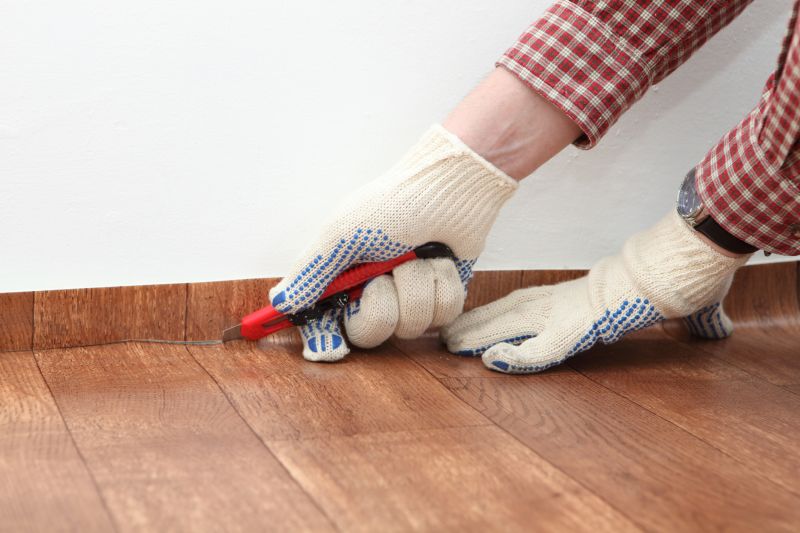 Installing linoleum flooring requires a combination of appropriate products to ensure a durable and professional finish. From surface preparation to final sealing, each step involves specific tools and materials that contribute to the longevity and appearance of the floor. Proper surface preparation, including cleaning and leveling the subfloor, is essential before laying down linoleum sheets or tiles. Using the right adhesives and sealants can prevent issues like lifting or moisture seepage, which can compromise the installation over time. Additionally, tools such as rollers, cutters, and seam sealers help achieve a seamless and smooth surface, enhancing both functionality and aesthetics.
Top Overall Option
Multi-purpose Flooring Adhesive
A versatile adhesive designed for linoleum and other resilient flooring types, offering strong bonding properties while remaining easy to work with. It provides good initial tack and long-term adhesion, making it suitable for various environments. Its user-friendly formulation helps ensure a smooth application process, reducing the likelihood of bubbles or gaps. This adhesive is compatible with different subfloor materials and can accommodate minor surface irregularities, contributing to a secure and lasting installation.
Types of Products For Linoleum Floor Installations
Linoleum Sheet Adhesive
Specialized adhesive formulated for bonding large linoleum sheets securely to the subfloor, ensuring a seamless appearance.
Linoleum Tile Adhesive
Adhesive designed specifically for linoleum tiles, allowing for easy placement and strong adhesion.
Seam Sealer
Product used to seal seams between linoleum tiles or sheets, preventing moisture intrusion and enhancing durability.
Floor Leveling Compound
Material used to smooth out uneven subfloors, creating a flat surface for linoleum installation.
Underlayment
Padding layer that provides additional cushioning and helps with sound absorption under linoleum.
Utility Knife
Essential cutting tool for trimming linoleum sheets or tiles accurately during installation.
Floor Roller
Tool used to press down linoleum and adhesives, ensuring proper contact and eliminating air bubbles.
Measuring Tape and Square
Tools necessary for precise measurements and layout planning before installation.
Seam Cutter
Specialized tool for cleanly cutting and fitting seams between linoleum pieces.
Adhesive Remover
Product used to clean excess adhesive and correct mistakes during installation.
Heat Gun
Device helpful for softening or smoothing linoleum edges and seams for a cleaner finish.
Protective Gloves and Mask
Personal safety gear to ensure safe handling of adhesives and other chemicals.
Seam Roller
Tool for pressing seams and edges to ensure tight bonding and a smooth surface.
Clean Cloths and Sponges
Materials for cleaning surfaces and removing excess adhesives during installation.
Popular Choices
Widely used for securing linoleum sheets and tiles, offering reliable bonding performance.
Convenient product for sealing seams quickly and effectively, reducing installation time.
Pre-glued tiles that simplify installation by eliminating the need for separate adhesives.
Popular choice for preparing uneven subfloors to ensure a flat surface for linoleum.
Commonly used for achieving a smooth, bubble-free surface during installation.
Essential for accurate trimming of linoleum sheets and tiles for a clean fit.
Often used before applying adhesives to prevent moisture-related issues.
Popular for sealing edges and preventing lifting or fraying over time.
Useful for cutting linoleum and trimming excess material.
Helpful for spreading or removing excess adhesive during installation.
Commonly used for comfort during kneeling while installing linoleum.
Popular for maintaining a clean workspace and removing adhesive residues.
Often used to reinforce seams before sealing for added security.
Frequently chosen for finishing edges neatly and precisely.
Choosing the correct products for linoleum installation depends on the scope of the project, the type of linoleum being used, and the specific conditions of the space. For example, in high-traffic areas, selecting heavy-duty adhesives and sealants can provide added durability. For smaller DIY projects, user-friendly tools and ready-to-use adhesives simplify the process and reduce installation time. It is also important to consider the environmental conditions of the space, such as humidity levels and temperature, as these factors can influence the performance of certain products.
A comprehensive approach involves selecting products that are compatible with each other and suitable for the specific type of linoleum. Properly chosen accessories and tools not only facilitate easier installation but also help achieve a professional-looking result. Whether installing in a residential kitchen or a commercial space, investing in quality products can make the process more manageable and the outcome more satisfactory. Ultimately, understanding the range of available products and their purposes can lead to a smoother installation experience and a more durable floor finish.
Key Buying Considerations
- Compatibility of adhesive with linoleum type and subfloor material
- Ease of application and drying time of products
- Adhesive strength suitable for the installation environment
- Moisture resistance properties of adhesives and sealants
- Flexibility and curing time for seamless installation
- Compatibility of sealants with linoleum surfaces
- Surface preparation requirements before application
- Durability and long-term performance expectations
- Availability of tools needed for cutting and finishing
- Safety features and proper handling instructions
- Environmental conditions of the installation space, such as humidity and temperature
- Cost and value for the quantity of product provided
- User reviews and professional recommendations
- Brand reputation and product reliability
- Compatibility with underlayment or additional padding if needed